
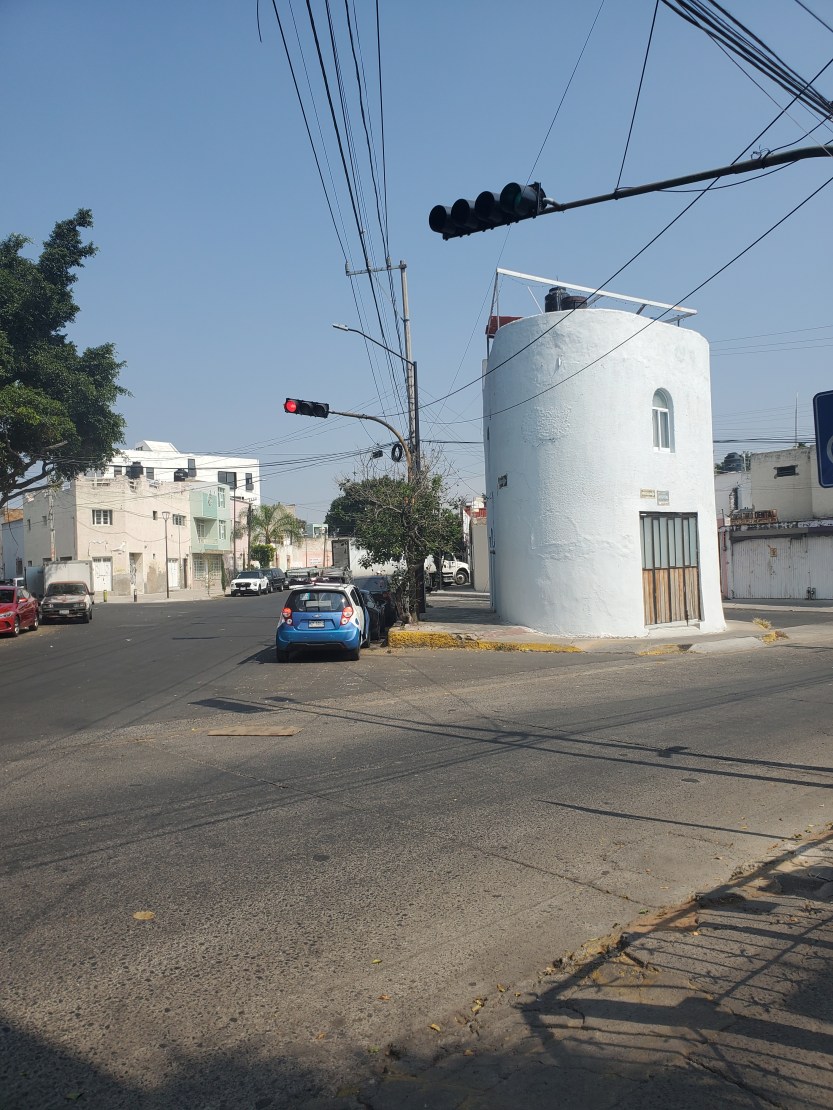
In the United States, there is a particular goal of a working class neighborhood: to keep the workers segregated and unhappy for two reasons. First, if they are segregated, the “elite” feel safer and are emotionally disconnected to any actions they might enact on people they never see. Secondly, if people are unhappy, the premise is that they will be motivated to leave, thereby making them desperate to participate in whatever exploitation the “elite” have planned. Today, most of the working class is not just separated from the “elites,” but from the previous middle class, since segregation was the purpose of most urban planners. However, in Mexico, it appears that people are more pragmatic about access between the working and middle classes, making the cities more functional.
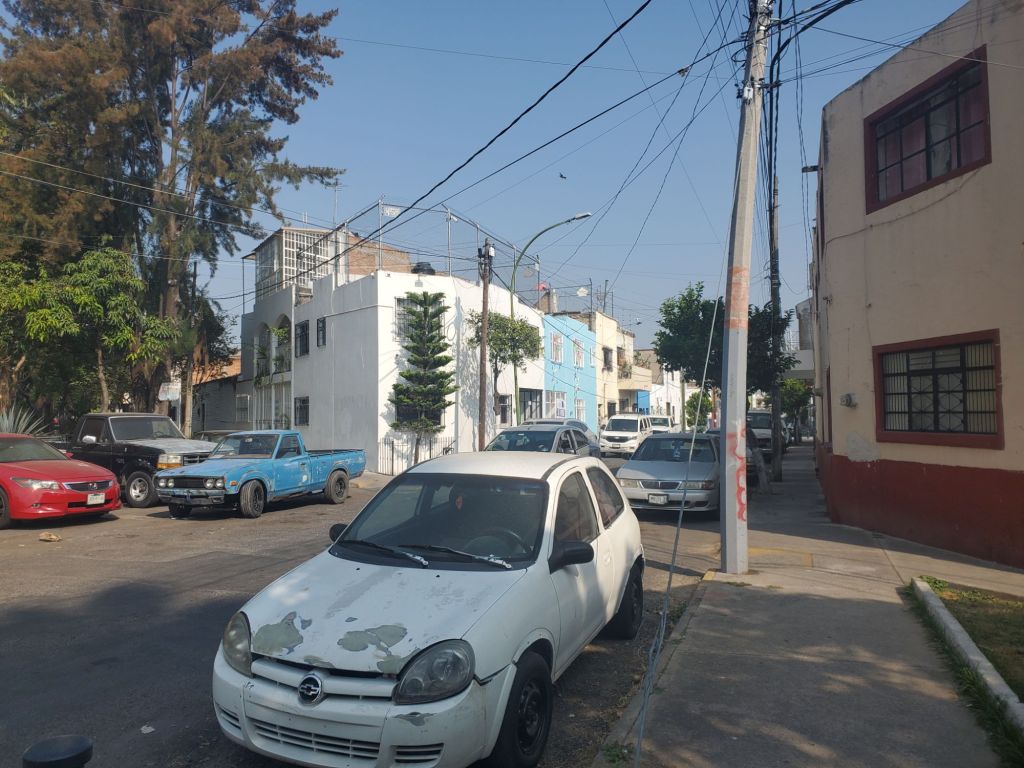
First of all, one way streets are truly designed for traffic flow, not to prevent “certain people” from getting from one side of the city to another. Even though “traffic flow” was the excuse used by many cities, the consequence was largely that segregated communities lose access to the majority of the city. In Mexico, if the working class has no access to the middle class, then there are no workers in half a city. Therefore, except for rich cloisters–which always find a way–most of the city is accessible to the rest. Yes, streets go one-way for a long way, but being able to go such a long distance means that buses are more useful, and people have a more reliable commute.
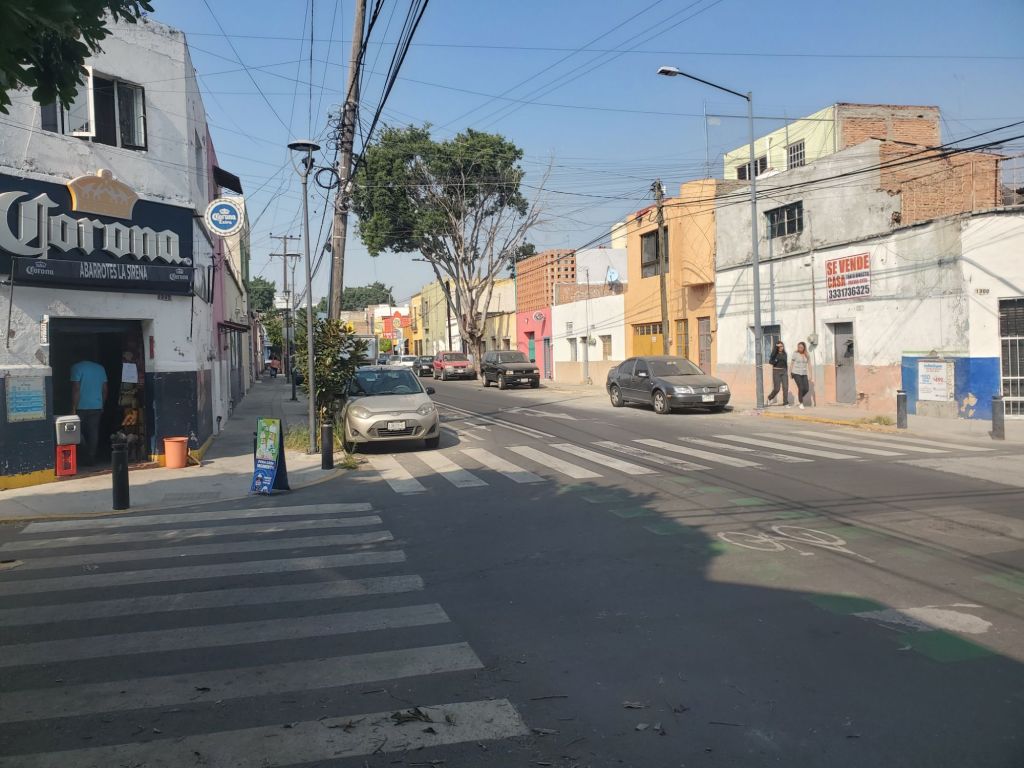
Also, shade appears to be most places in Mexican cities, regardless of class status. There is very little area where the shade does not exist on one side or the other, including areas with shorter buildings and fewer trees. Considering that many people walk to work or have mobile businesses, there are relatively safe places for people to be outside without being under direct sunlight, which increases visibility for businesses. Shade is one of the first things to go in the United States because working class communities are the first places to put waste, energy, and manufacturing services, ensuring that trees will take forever to grow. Conversely, people are still comfortable walking despite the increasing number of cars.
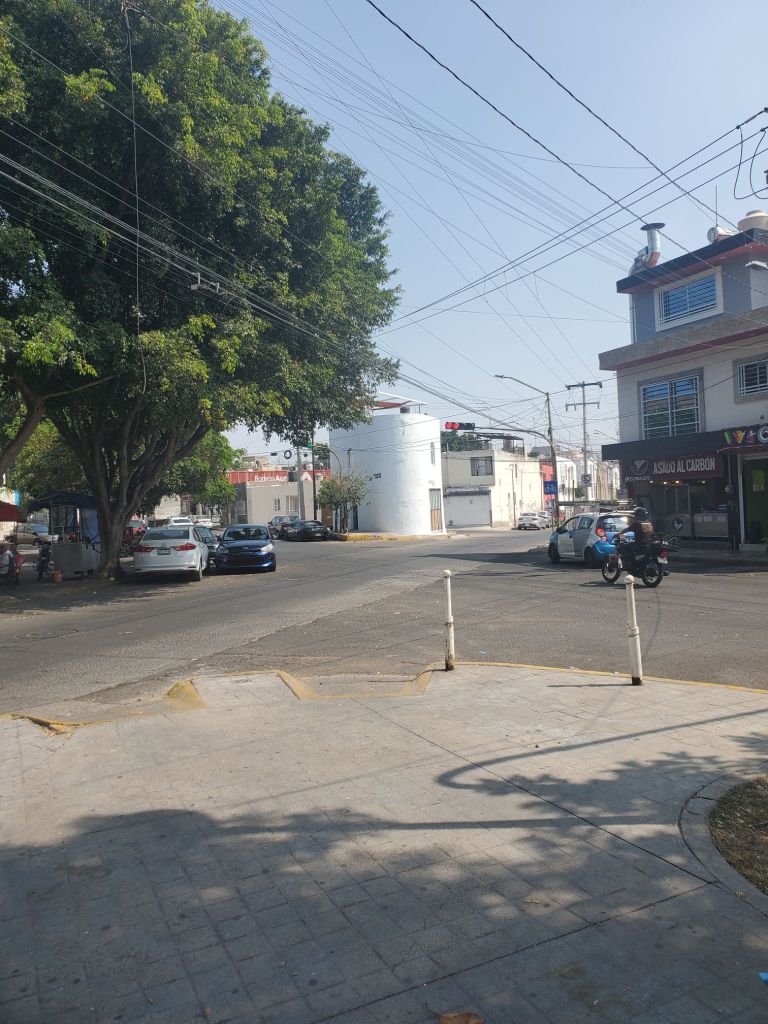
Finally, most of the blocks are pretty small on all but the largest streets in Mexican cities. This is largely because urban cores were not developed with cars in mind. There are some large blocks, but before getting there, one can usually catch a bus or walk in the shade on smaller blocks to get where they need to go. Smaller blocks are an essential part of good planning because they encourage active mobility rather than driving a car, especially when smaller blocks mean less parking. In the United States, going “around the block” usually means that one is relatively fit or took a mode of transportation to arrive.
The whole point in the United States is to make it difficult for the middle class to see how its complacence harms others. While there appears to be much of the United States in how Mexican cities are being shaped, navigation seems to be relatively safe without needing a car. This is a reminder that such planning is not “edgy,” or new, but acknowledgment that everyone spends money differently, and should be allowed to do so. Pretending that the middle class speaks for everyone is a fool’s errand.
 Chasing A Dying Empire