
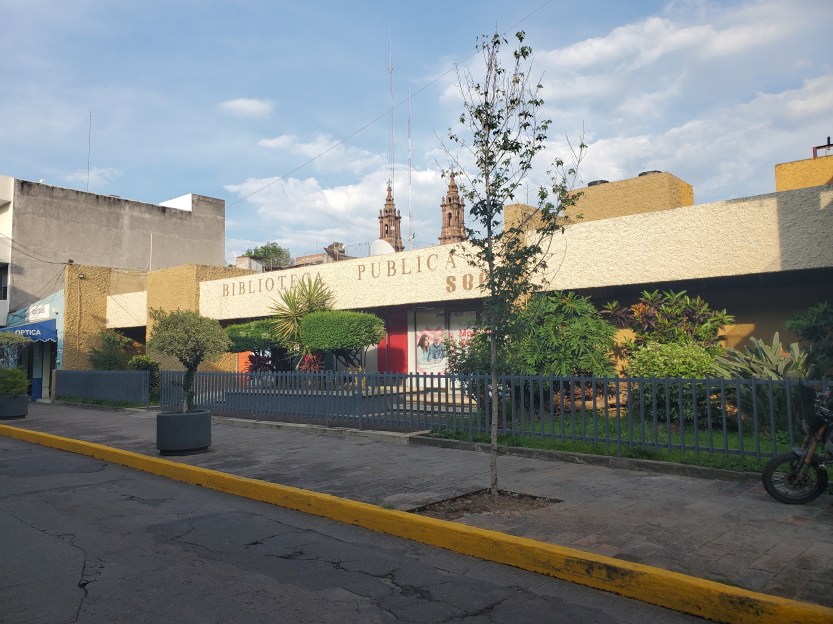
I have known a couple of librarians in the United States, and they have been disgusted with what their jobs have shown them. Instead of whimsically introducing clients to new authors and crafting children’s hours, they have been confronted with how broken society actually is. Without access to public bathrooms, most people–myself included–sigh in relief when we see a public library. In places with ridiculous temperatures and a lack of public spaces, libraries are the havens for the unhoused. After the price of internet service has skyrocketed thanks to greedy corporations, libraries are a lifeline for those who have computers or cellphones, but need support looking for jobs. Rather than blame the problems for existing, what does a library offer to people other than a communal space with resources?
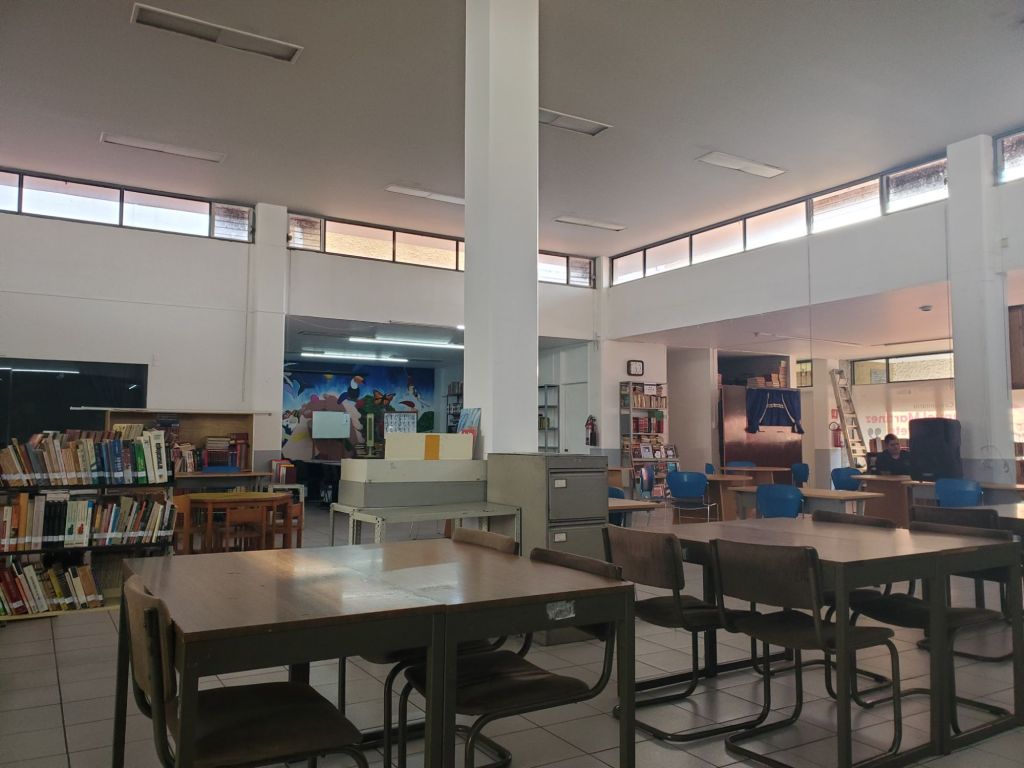
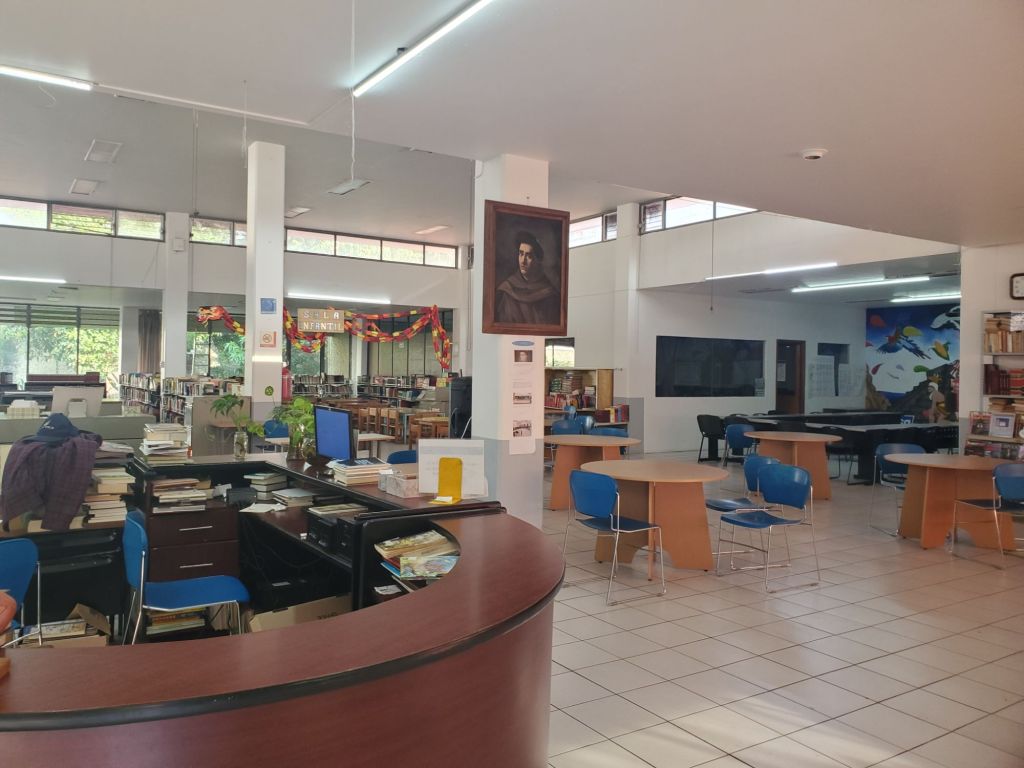
For a brief look at the answer to that question, we should go back to places where there are limited resources due to the resources of the constituents. In Zamora, there is absolutely a public library, but because of the inequality previously mentioned, the space largely sits silent. There are plenty of people who spend time in the downtown area, but other than a cool place to sit when the heat comes, the library is largely ignored. For constituents with resources, there is no need to come to the library in their minds because they have access to computers, the internet, and have money to purchase books when they feel the need. Despite the explosion of new authors due to self-publishing, the space is mostly empty, and online sharing resources like Hoopla are a dream, at best.
What is the answer to this question? Obviously, society should have fewer problems, but this is also an example of what happens when the majority of a population claims that something is “not their problem.” That attitude is prevalent in the United States, and as the oversized influence has reached other countries, people can only look forward to the justification of more individual responsibility. Communal spaces are more futuristic than the prospect of being rich, so instead of country clubs and large houses being built away from resources, there should be more investment in building community.
 Chasing A Dying Empire