

Recently, big cities have been making modest efforts to stem the traffic and encourage people to engage with one another. Whether the city has been successful is left to the inhabitants, but the efforts usually revolve around consumption. With the decrease in disposable income, shopping centers and plazas with vendors are becoming less enticing as people either stay home to avoid temptation, or drive/ride past locations to avoid engagement. However, there is one method which seems to be gaining attention throughout small towns in Mexico, which involves pedestrian walkways through the center of town.

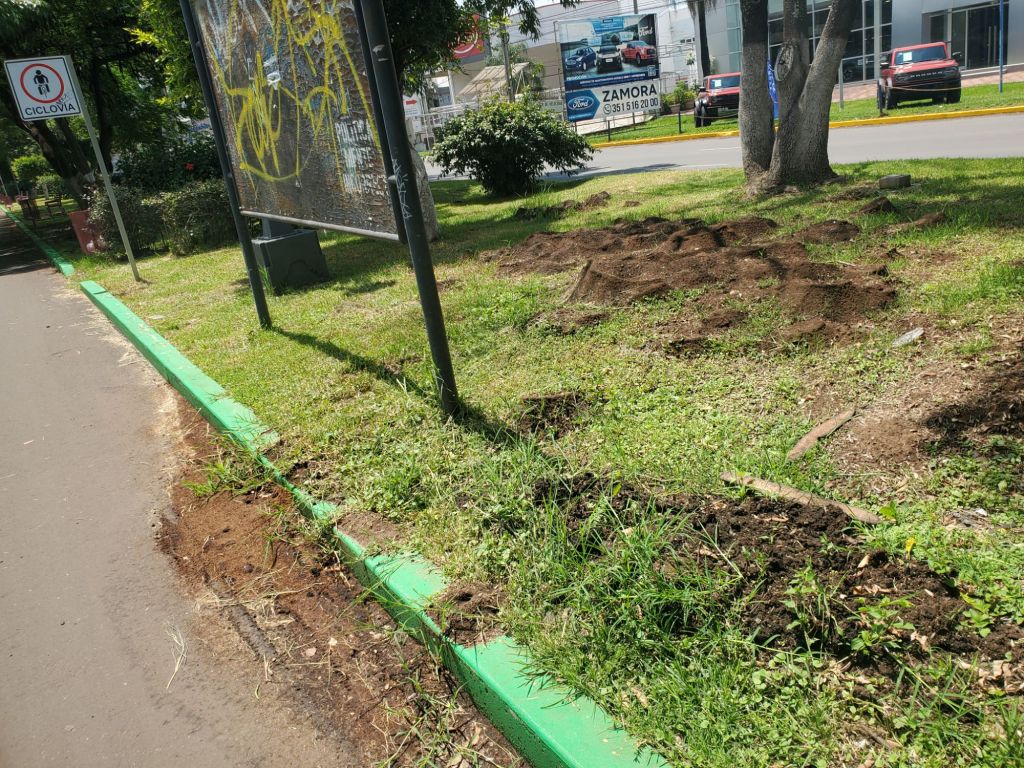
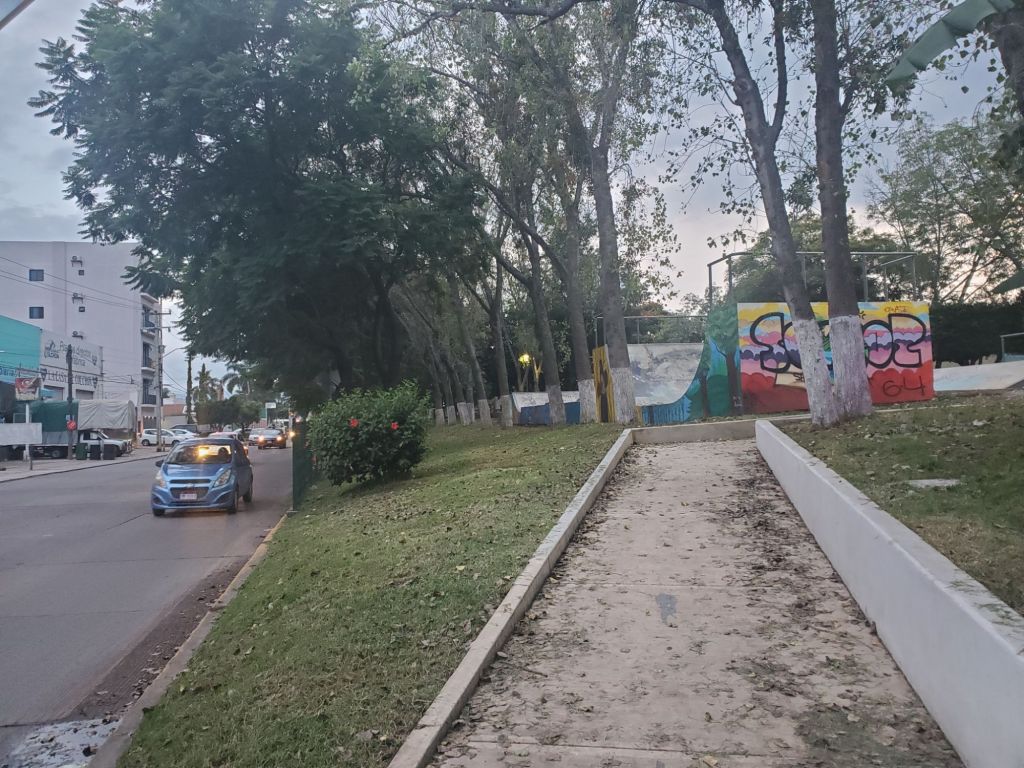
Between Zamora and Jacona, there is a walkway that always has people because of the lights and the multitude of businesses around it. Shaded spaces also make the area a pleasant location to relax during the day, but most of the vendors can be found at the end of the day, making it a multifunctional space without aggressively soliciting participants at all times. Most of the sidewalks in both towns are nothing like the walkway, but there are a number of buses that go past the area, and even the buses generally tend to be full. While not perfect, for towns like Zamora and Jacona, the space is highly functional.


The walkway in La Piedad is less enticing for one major reason: there is no shade over the majority of the area. Michoacán is a lot cooler because of its proximity to the mountains, but as climate change heats up cooler areas, there is nothing to invite people to walk in the sun unless it is January. A challenge common to a number of cities, regardless of size, is that people think of an idea, and believe that the same idea will work everywhere. Consequently, there is a very expensive pedestrian walkway in the middle of town that will rarely have people on it except the places that are closer to the center of town because those are the only places with shade.
In truth, sometimes the reason that projects are completed is not because people think they will work, but because there are a number of factions that can afford to spend money to prove that the ideas will fail. Public projects are seen as a bad bet when poor designers and those with cars plan out spaces designed to repulse anyone who actually needs pedestrian walkways. The solution, therefore, is to only engage people who use active mobility, to the exclusion of people with cars. The input would come from poorer residents, but the responses will be much better, and there would be less examples of failing infrastructure designed by people who drive.
 Chasing A Dying Empire