
While doing African American studies, there were two films that I remember well: La Haine and Cafe au Lait, largely because Hubert Koundé did such a good job in both films, and was later in The Constant Gardener, making the “crossover” into the imperial film industry. The first two films talked about the Black experience in France, which helped eliminate the eurocentric view that France is free-spirited. The last was a fictional depiction of how African communities were used by pharmaceutical companies. Part of African American studies actually involves looking into the international Black experience, since African slaves were used in a number of locations. This is one of the reasons that I was surprised to see dedications to the American Black experience in Paris, both in Pantin.
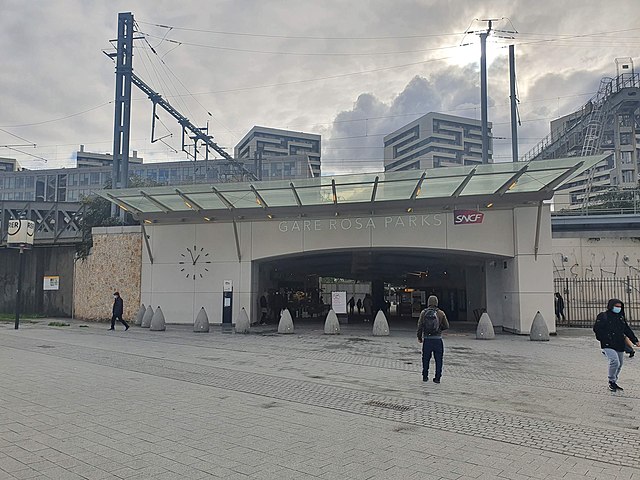
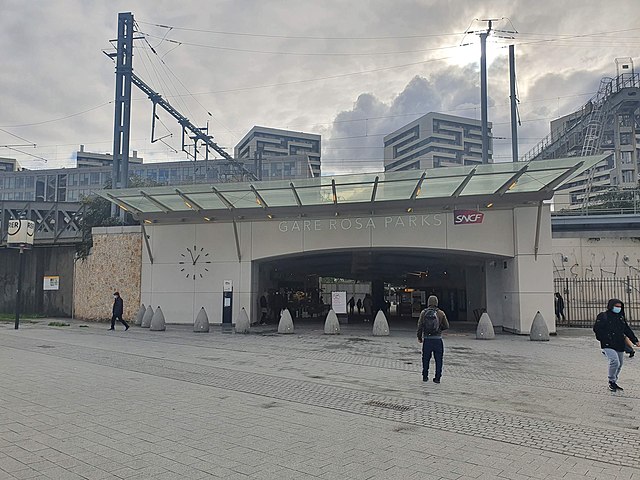
The first example was the Rosa Parks metro station, which was established in 2015. I remember being confused by the existence of this station because after seeing those films in college, I was confident that there were other Black French activists, and there was no need to pander to the United States. There did not seem to be any record of Rosa Parks going to Paris at any point of her life, although it was true that she represented equity on public transportation. All in all, I saw no point to drawing attention to one of our activists in a country full of controversial racial history.
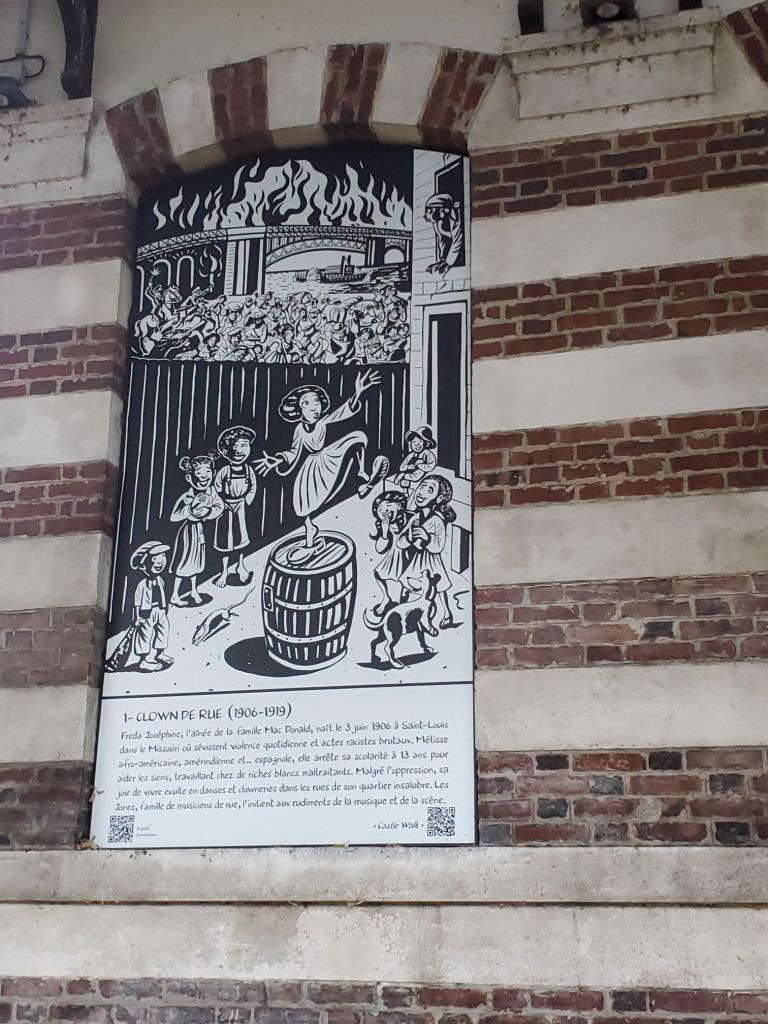
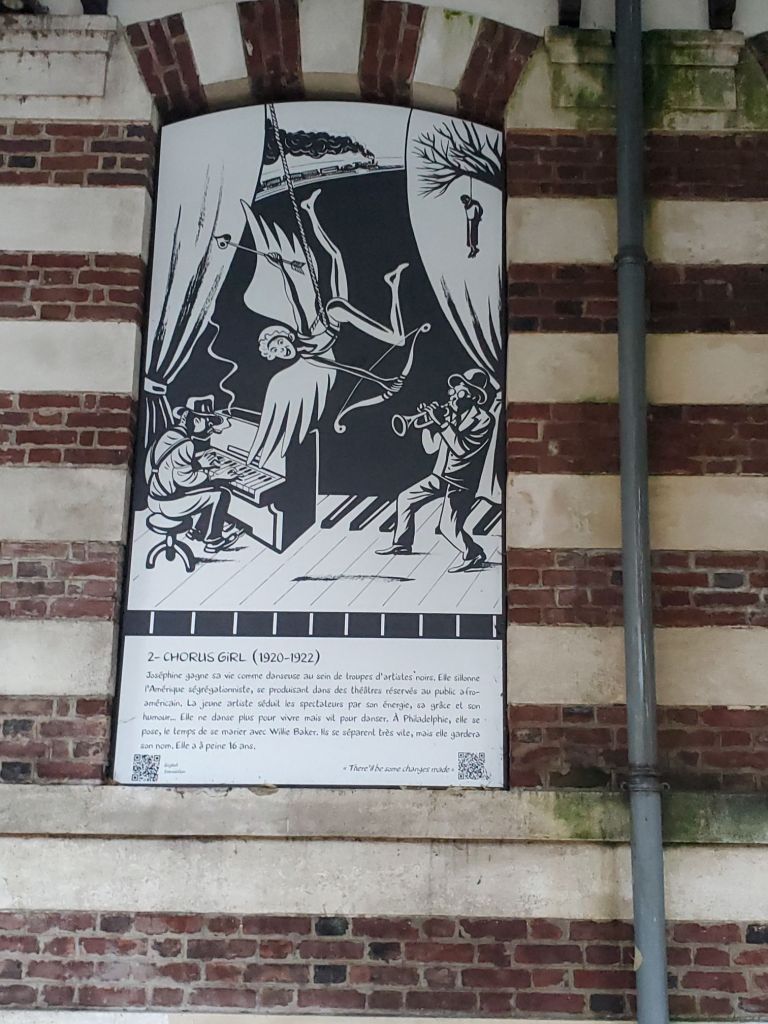
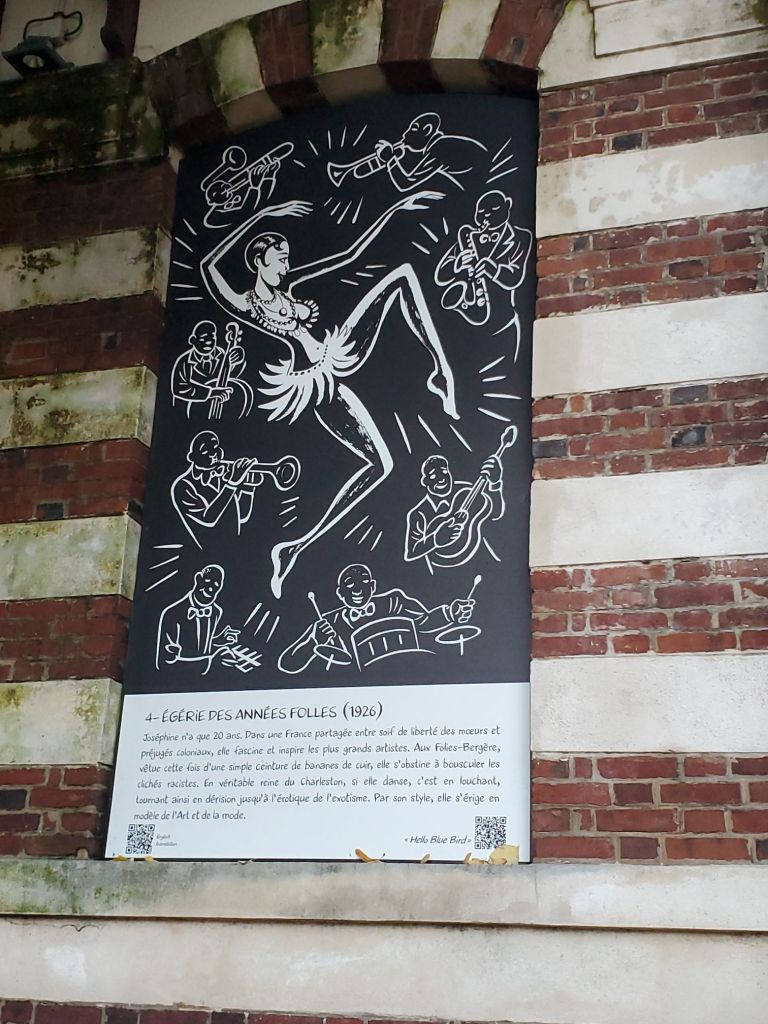
The other example was honoring Josephine Baker in Parc du Villette, which actually makes slightly more sense. After all, Baker has a well-documented presence in France, having gone there to experience racism in French. Her French legacy of both entertainment and activism means that she shares some of her history with France, similar to James Baldwin, who also spent time in Paris and is known for it. However, both of those artists are from the United States, and it makes sense to discuss more about why they were in France, and what their experience was, rather than imply that they simply added to the revelry.
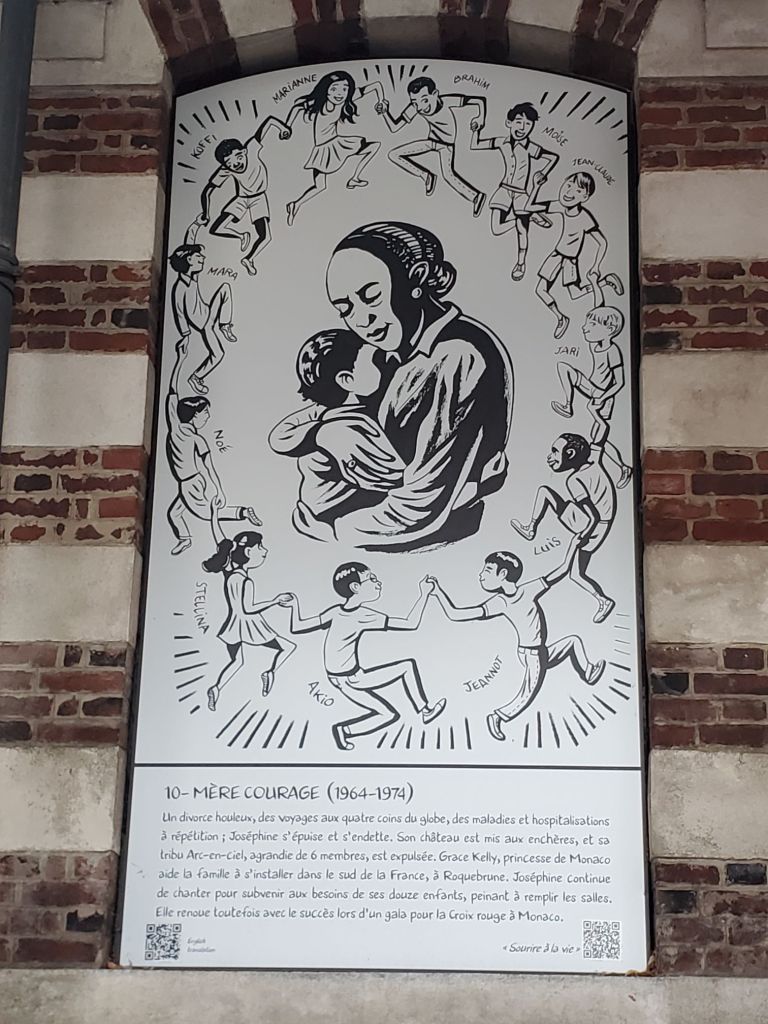
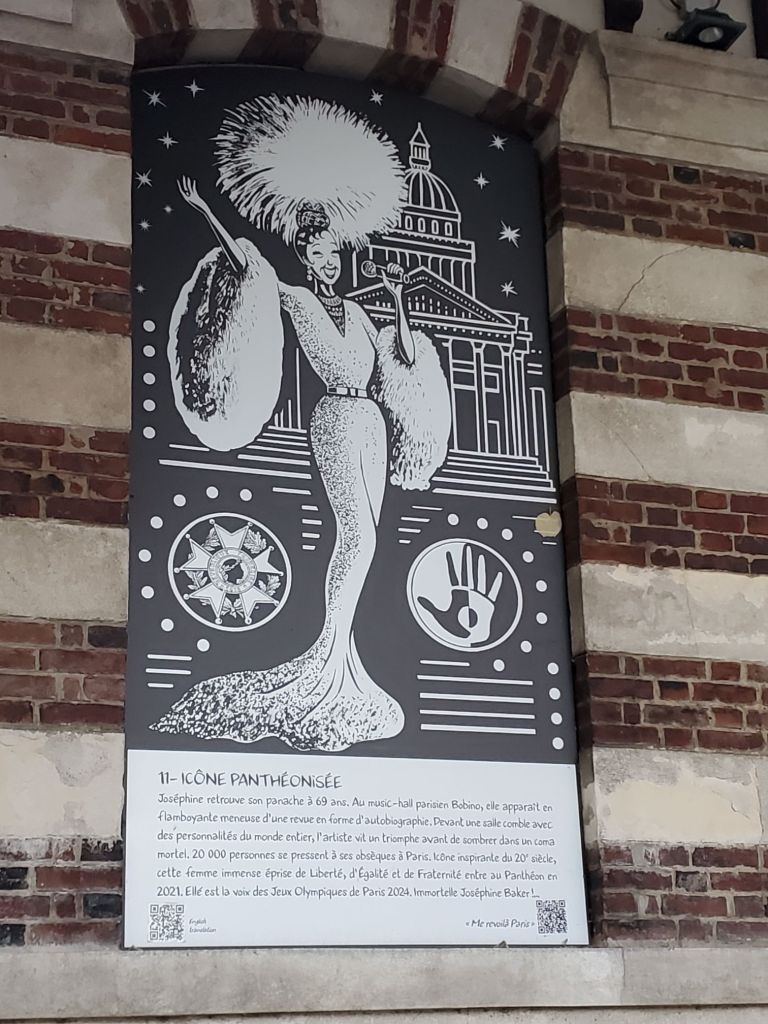
It makes some sense that the American Black experience is broadcast in Pantin because the community itself is largely full of Turkish and African migrants. French xenophobia is not regularly discussed, but there is more segregation than people would want everyone to think about when they come to France as tourists. As a Black American, it makes sense that the American Black experience is in Pantin because that is where people who live different lives than the “mainstream” tend to make their homes. The neighborhood is safe and there are many cultures present, but when people go to the rest of the city, their experiences are wildly different than the dominant culture.
Because countries like to portray themselves as other than they are, there is certain history that is not commonly known, nor do they share for consistent public consumption. In reality, France was an empire, and it left its mark all over the world, especially in West Africa. While the carefree image of people drinking coffee and wine is fun, it is important to remember that such was not the lifestyle of everyone in France. If the country wants to demonstrate that it is, indeed, a country for all of its citizens, perhaps there should be more consistent information available about Black French activists, instead of pandering to the new empire.
 Chasing A Dying Empire