
When looking at the majority of the building in Paris’ popular area, one will notice that most of the buildings are the same. Even though there is the “romantic, Parisian feel” to many of the buildings, I feel that architects looking for something original would be hard-pressed. The area around La Defense is basically the only section that looks relatively different, and that area is composed of housing projects, retail, and government buildings, giving it enough variety to truly shine. Ironically, there is one architectural treasure straight down the street that managed to sneak amidst the conformity: Centre Pompidou.
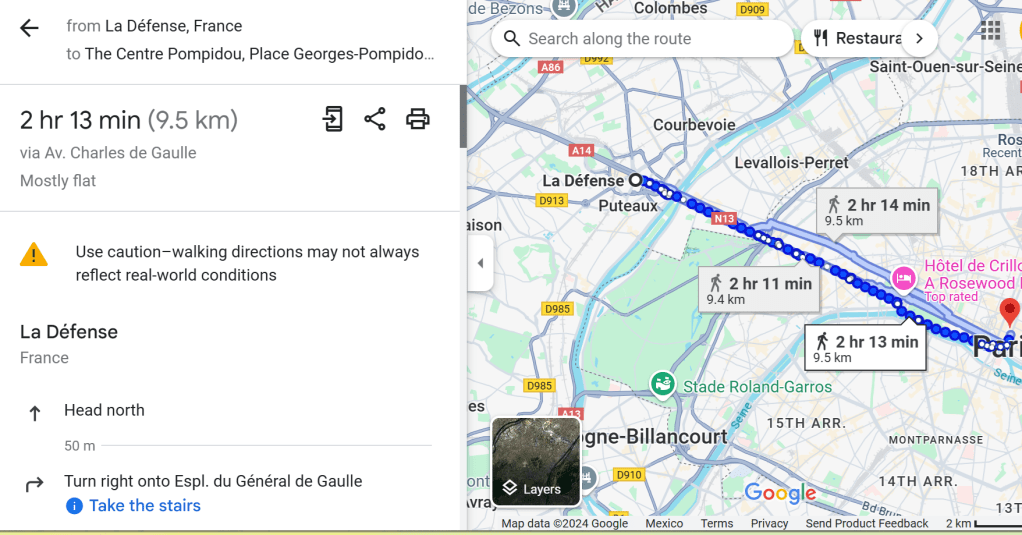
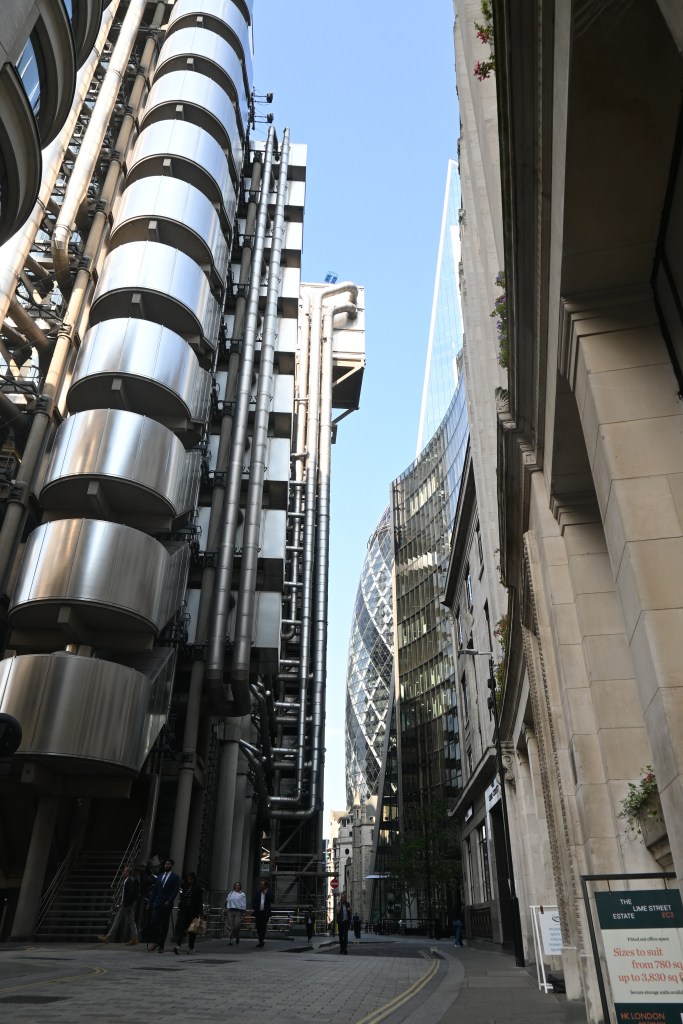
Centre Pompidou arrived at a time when architects were looking to stand out, rather than maintain similar facades to the buildings around them. With Frank Lloyd Wright making modernism flourish in the United States, the French were looking for a response that would demonstrate their creativity. Rather than have everything on the inside, Centre Pompidou seemed to mimic the Lloyd Building in London by having specific features on the outside. People gawked at the “monstrosity,” but the building made a name for itself to the point of being preserved.
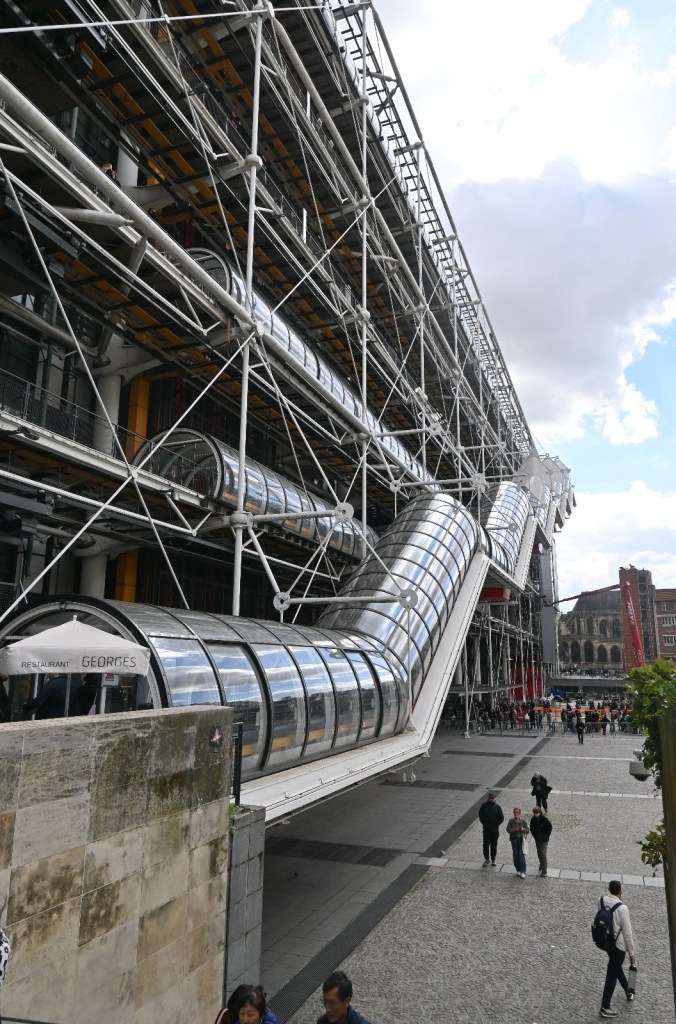
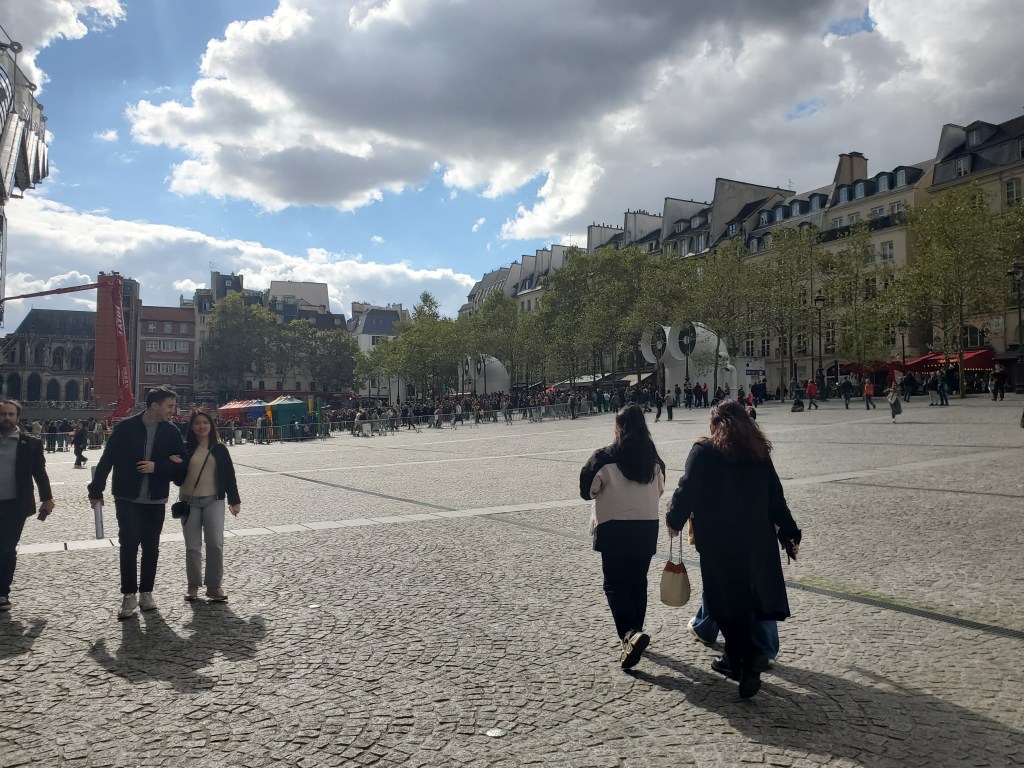
The area is surrounded by classical buildings full of retail and restaurants, but the Centre itself has a wide open space, which could be perfect for protests, concerts, and other outdoor events. It sits at a slant, which makes the area comfortable despite the lack of obvious seating. Many people enjoy the outdoor space almost as much as they do the indoors. Enter the moneyed classes, who wanted everything to remain the same and were frustrated that such a building was commissioned and completed. Such people largely refuse to understand that every citizen deserves to have a voice, and all generational voices should be openly recognized.
Instead of turning the space into something that spoke to the generation of the time, the Centre became an art museum, which means three things. First, there has to be an admission fee, because that it the nature of museums: cultivating who is allowed to be cultured. Second, a restaurant has to exist, so that the cultured feel inspired to spend more money hosting cloistered events for themselves. Third, there has to be retail, so that everyone is reminded that money is the key to happiness and validation. Nevermind the potential of the wonderful outdoor space; this was calibrated to be a moneyed spot.
For younger generations, having all of these pay-to-play experiences in the building that they requested slaps them back into conformity. Yes, a building can be “just” a building, but the reality is that so many buildings in Paris are constrained to the ideology of the moneyed elite. There are not nearly enough indoor spaces that are not inclined to capture income, and the younger an individual is, the less disposable income they have, in addition to less time. Generations to come will not be able to appreciate what was supposed to be a rebellion against the strictures of the city.
In the end, this opportunity continues to maintain the imperial image of strength, never diverting for even a moment. The area is surrounded by other signs of capitalism, and appears to be the structural interpretation of street performers vying for attention and money. When looking at this space, there is no way to feel that there is any freedom to do anything other than give offerings to greed, and it is sad.
 Chasing A Dying Empire