
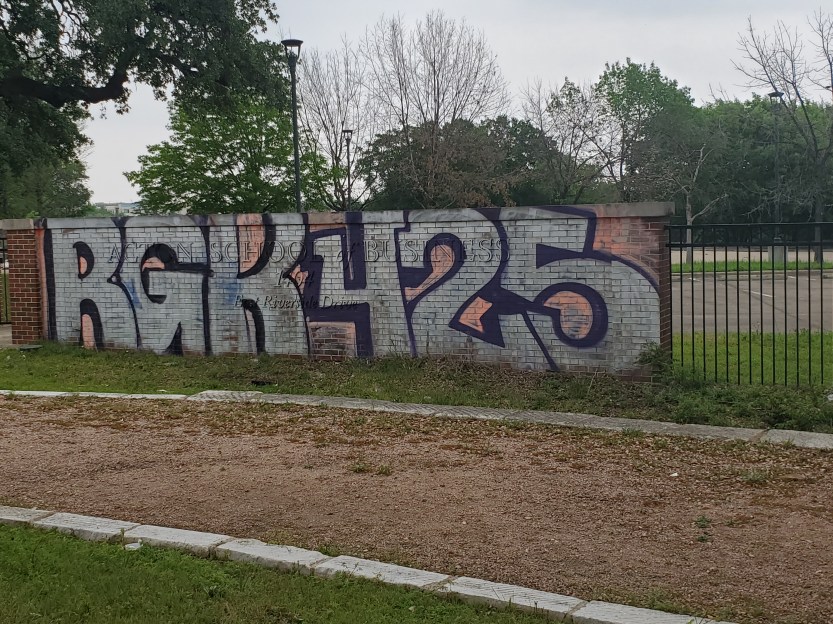
So, what is the real problem when people turn all their cities into party towns that only function with high levels of consumption? Even for the most dedicated of party animals, the party eventually ends, and people have to go home and pick up where they left off with their lives. For the better part of three decades, cities have chased discretionary income more than Amazon, and have pretended like they had no idea what could potentially happen if the money disappeared. Having recently gone through Austin, Texas on two express buses during SXSW, it is astonishing what happens when people have no money and the city has developed a reputation for sending people to concentration camps for existing.
In any capitol, the highest employer in the area is the government, and Austin is no exception. Between the state, county, municipal and federal governments, public servants are roughly 10% of the population. When my parents worked for the government, there were several little restaurants that were perfect for middle-income employees and ensured that everyone could treat themselves at least once a week in addition to the rest of their personal spending. As I worked for the government from 2004 through 2024, even I found places to eat and enjoy on a regular basis. There were not extensive luxury offerings because most public employees have very little income, and could only enjoy a three-figure lunch or dinner once a month, or even once a year. Related to retail, everything had a range of prices, but most people could enjoy bookstores, outdoor gear, and smaller retail opportunities in the downtown area.
Thanks to the arrival of the technoligarchs who hate nonwhite people, everything is a mess. Retail and luxury restaurants are everywhere, and most public servants must be packing lunches and working to survive. Killing the expansive Latinx consumer base was a terrible decision, and I cannot imagine wanting to spend much time in the downtown area now. So many areas that used to have a steady flow of people are boarded shut, but the luxury opportunities are also pretty vacant–I assume it was no fun once the “elites” no longer had an audience. I will admit to a little schadenfreude because when I was with a team of other working class consultants, we begged people to consider what would happen if no one could afford to live and work in the city, and we were absolutely right.
See, no one was prepared for cities to simply return to what they were: places where people lived. The end. All the partying and consumption might have been fun, but when everyone is broke like no joke, there has to be a way to exist. Riding by the main drag of the University of Texas at Austin was depressing, especially considering the days when I used to go there for fun. Nothing makes a city more depressing than understanding that no one thought about what would happen if a bunch of people lacked large incomes. Planning for everyone to get and stay rich was a terrible strategy because most people cannot be rich because physics. Earth is finite, and it will be interesting to see what happens when people finally understand that no, everyone cannot spend 24 hours of every day playing and hoping consequences will vanish.
 Chasing A Dying Empire