
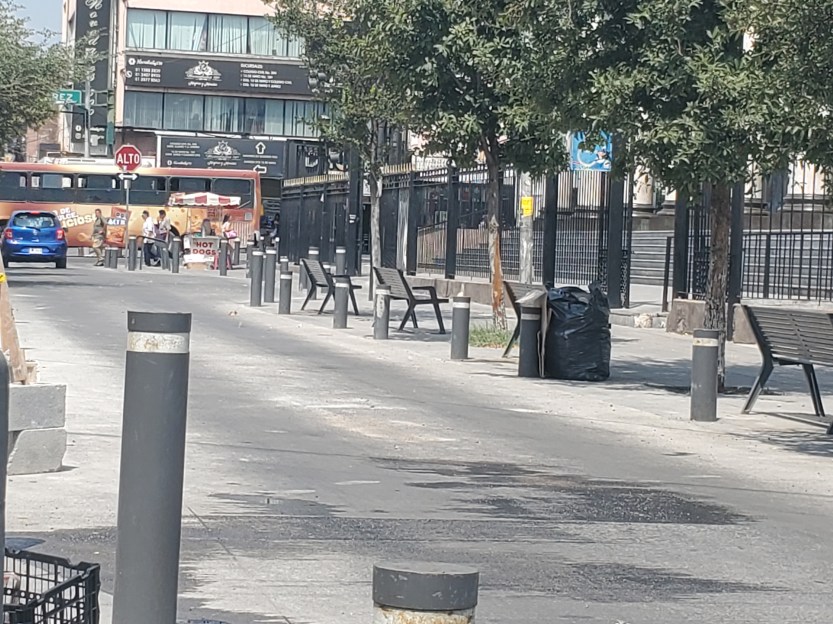
The stereotypical image of Mexican people is that they are lazy, which is really interesting considering how there is a vast migrant network throughout the United States that allows private businesses to use Mexican labor without offering benefits and under threat of deportation. Simply put, the construction, custodian, and food industry would dissolve if all Mexican people “went back where they came from” and stopped working in the US. In Mexico, the consequences of this image play out in different ways because many younger people are being spoon-fed that they need to put more effort into existence. One way this plays out in Monterrey is the lack of comfortable places to sit that are not also connected to money.
The United States has already continued to demonstrate that no one is allowed to exist in public without spending money, and there are very few places to sit where one can avoid consumption. Many cities have ordinances where people are neither allowed to sit or lie down in public without being harassed by the police. This type of ordinance is generally targeted at unhoused populations, and it means that the police become much more active if someone is existing without “doing something.” Generally, going out even to exercise has now become a chance to spend more money because without going home, there is nowhere to cool down outside of a gym.
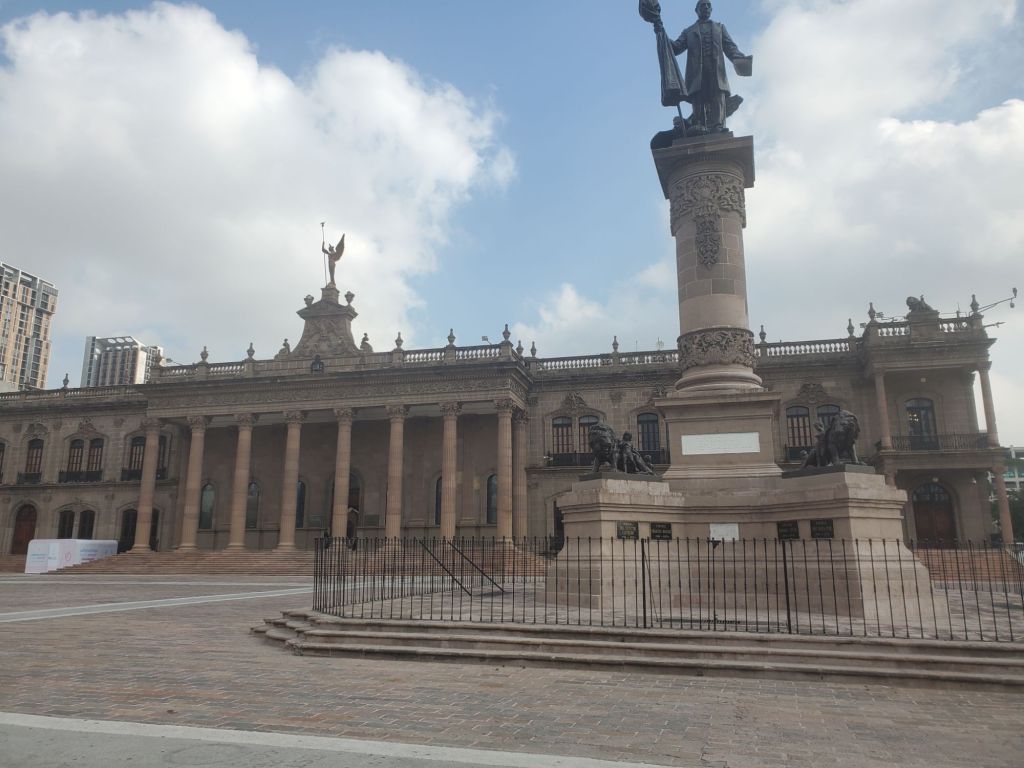
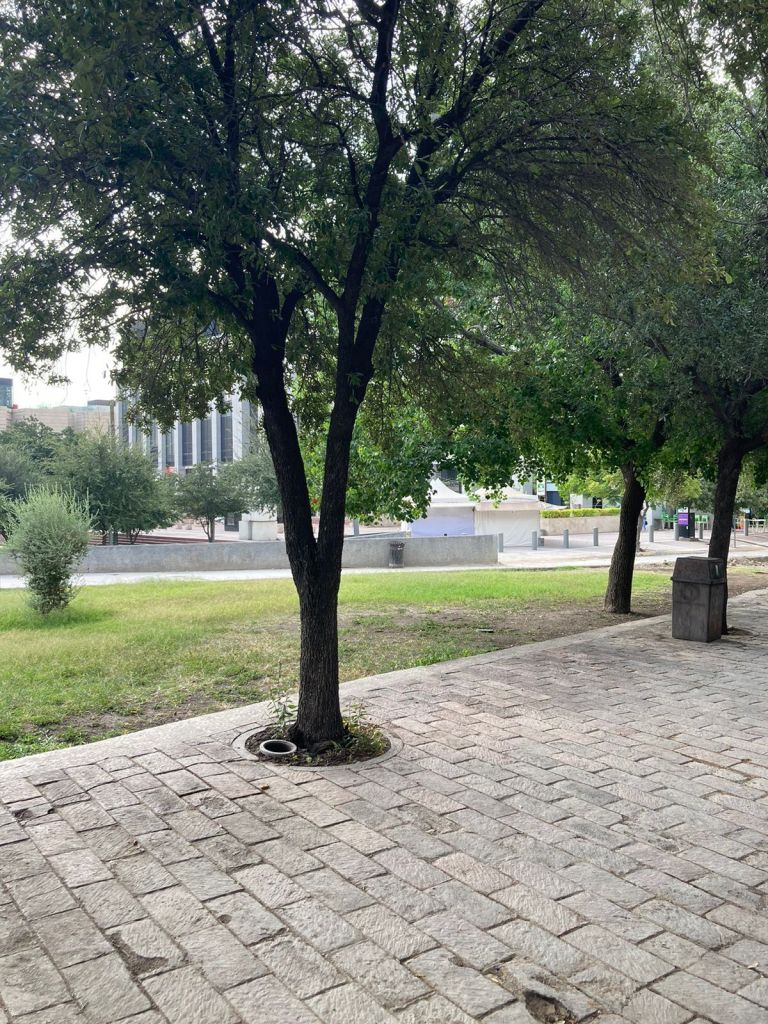
In Monterrey, this translates to there being almost no benches in the shade in the downtown area. City hall, museums, even when there are benches–most of the seating is either involved with a business or in the sun. Monterrey is a very hot city, and without shade or hydration, one can be in danger of collapse without some opportunity to rest. Again, it has nothing to do with whether people are actually lazy or if people are actually unhoused. Because a few cities in the United States and a few major corporations have projected “clean” downtowns, everyone should be moving or spending, or no one should be in a location. What does it say about the United States that we took away the concept of rest and relaxation for other people so that they appear “busy” enough to suit our tastes?
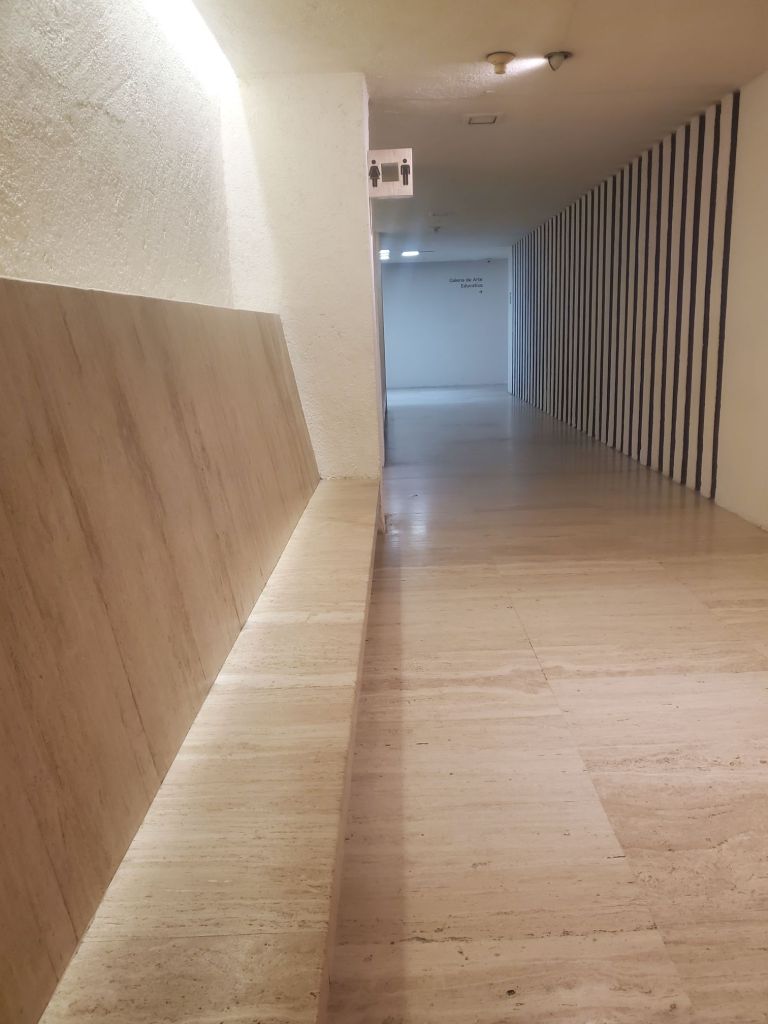
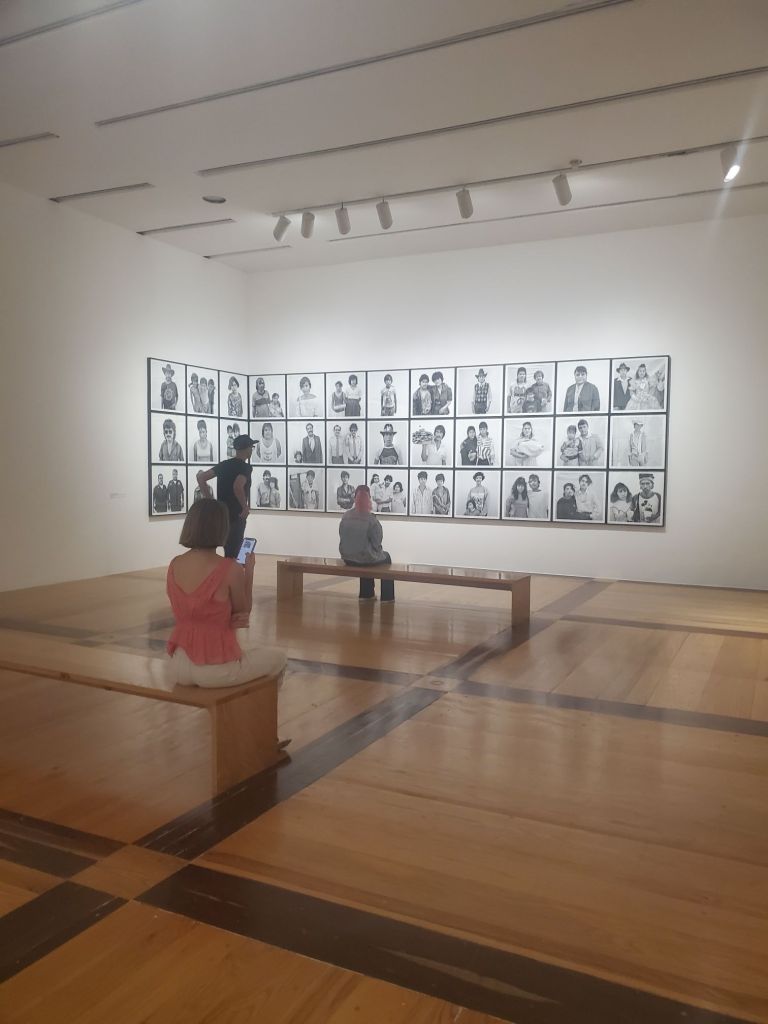
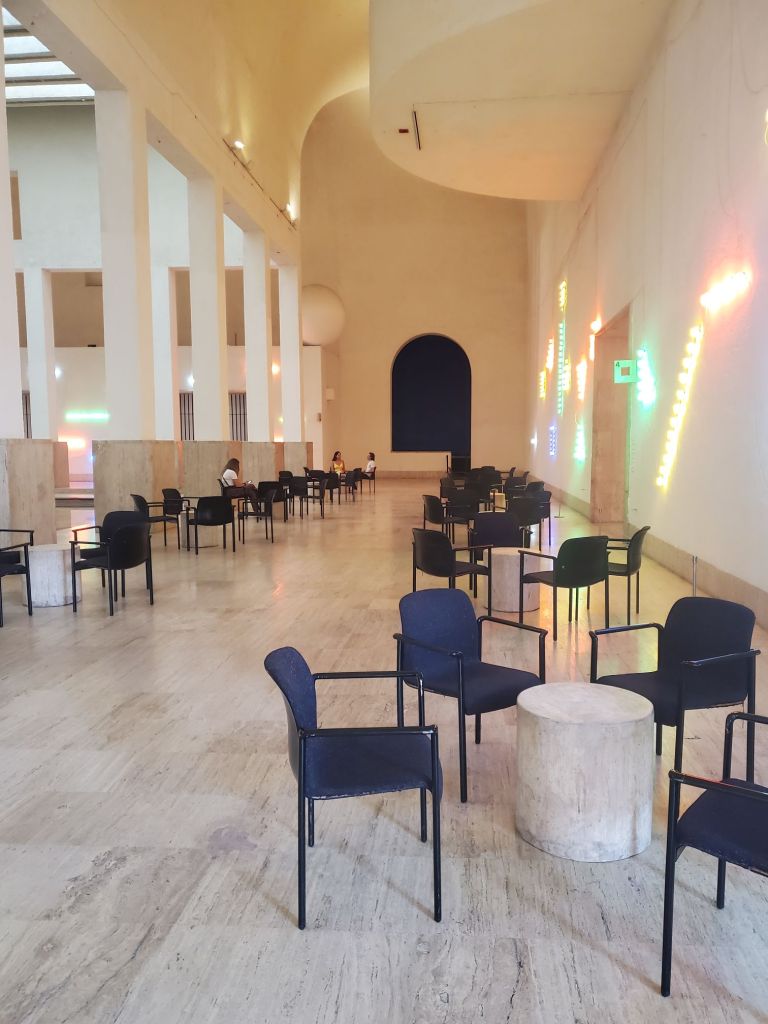
Some might argue that these areas were built decades ago, or even centuries, and that they were designed for the times–including carriages and horses that needed a lot of space to move around. To such people, I would first argue that the streets are very narrow for that to be consistent reasoning. Then, I would remind everyone that we all live now, no matter when things were originally built. It does not desecrate a historically significant location to make sure that someone baking in 90° or more has a place to sit down and potentially avoid heat exhaustion.

