
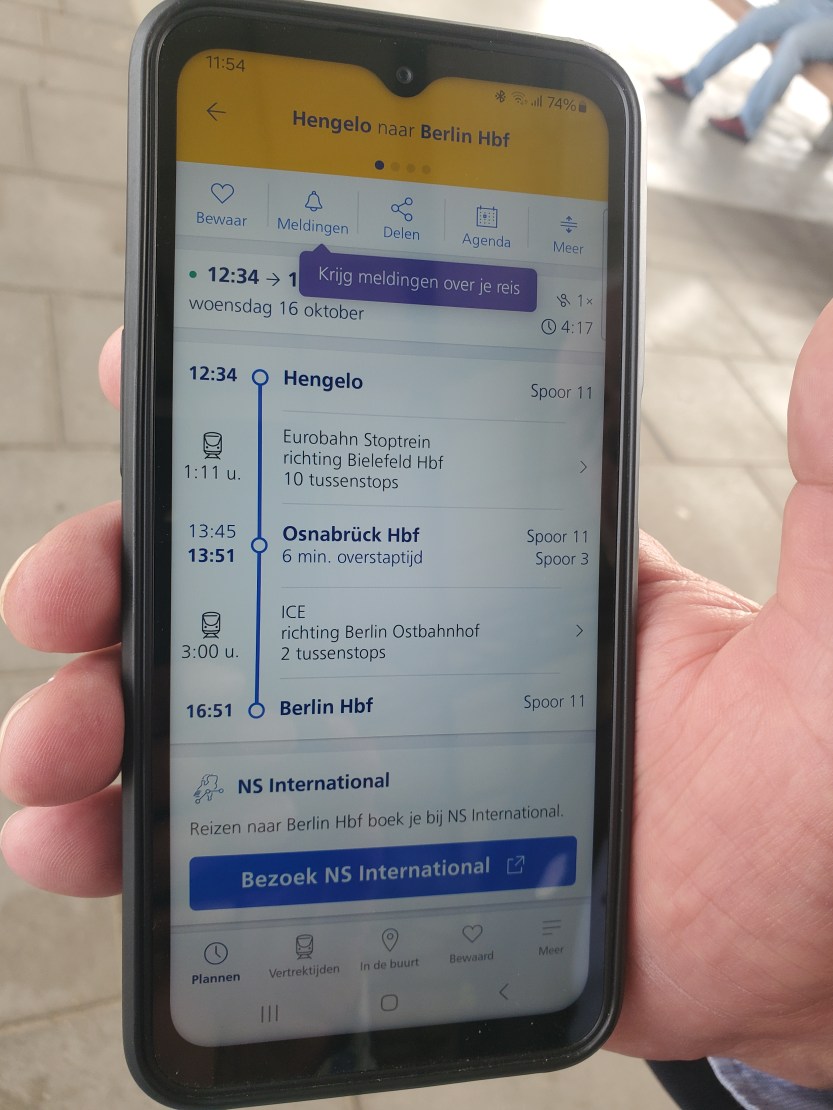
Ah, the cell phone, the favorite device that people love to hate. The number of apps that people have created to deal with technology have exploded, and there has been no shortage of issues with each and every one. Being able to carry one’s entire life on a cellphone has, undoubtedly, made everything relatively more convenient, especially when it comes to safety for individuals who have irregular schedules and/or tend to travel alone. However, there has been an infrastructural mismatch between what is needed to maintain that convenience, and the transportation itself.
Charging a cellphone may be a running gag, but there are many times when people have been running errands all day with a phone that steadily inches towards obsolescence. For this reason, a lot of different transportation methods have started adding outlets to avoid people running out of battery before presenting their tickets. Not all trains have outlets, and as the fleets are steadily transitioning to manage phone charging, there is an inevitable roulette between being able to make it home with the app, or having the phone dying. After all, sometimes the passenger is crossing an international border, and there is no negotiating with the attendant who is ready to issue a fine when one’s wallet is in another country.
Additionally, internet service is precarious all over the world. Since no one is willing to say that internet is a utility instead of a commodity, people pay for differing levels of service, and that service may or may not be available in all areas. Some people have internet service in a closet, while others made depend on WiFi wherever they go. Trains advertise that they have internet service available for all passengers, but even all the workers cannot promise that the tickets will be downloadable and visible at all times, especially if one has to change directions in the middle of a trip due to a closed station.
Notifications are also tricky because even the train attendants have no idea about what is going to happen the second they board a train. Sure, they do their level best to communicate about service work and strikes, but with a well-worn infrastructure, there is no predicting track issues. Being dependent on a cellphone means that the phone has to be charged, apps have to all be functioning, with internet service all at the same time. The European Union is doing its best to maintain train services, but the fact of the matter is with crumbling democracies and persistent inequality, there is no guarantee that cellphones will be little more than bricks when it really matters.
 Chasing A Dying Empire