

In a world where people are giving permission to abusers to terrorize others, we have a “niceness” problem. As a whole, we spend too much time making excuses for people who harm others, or we look for reasons to force unnatural forgiveness on others. The dumpster fire of the United States is what happens when the worst people in the world are given permission to steamroll forward without consequences. Niceness has become a trap, and it has ensnared all of us. The only way to progress is to actually start responding to the energy that we have been receiving from people, mostly by offering consequences.
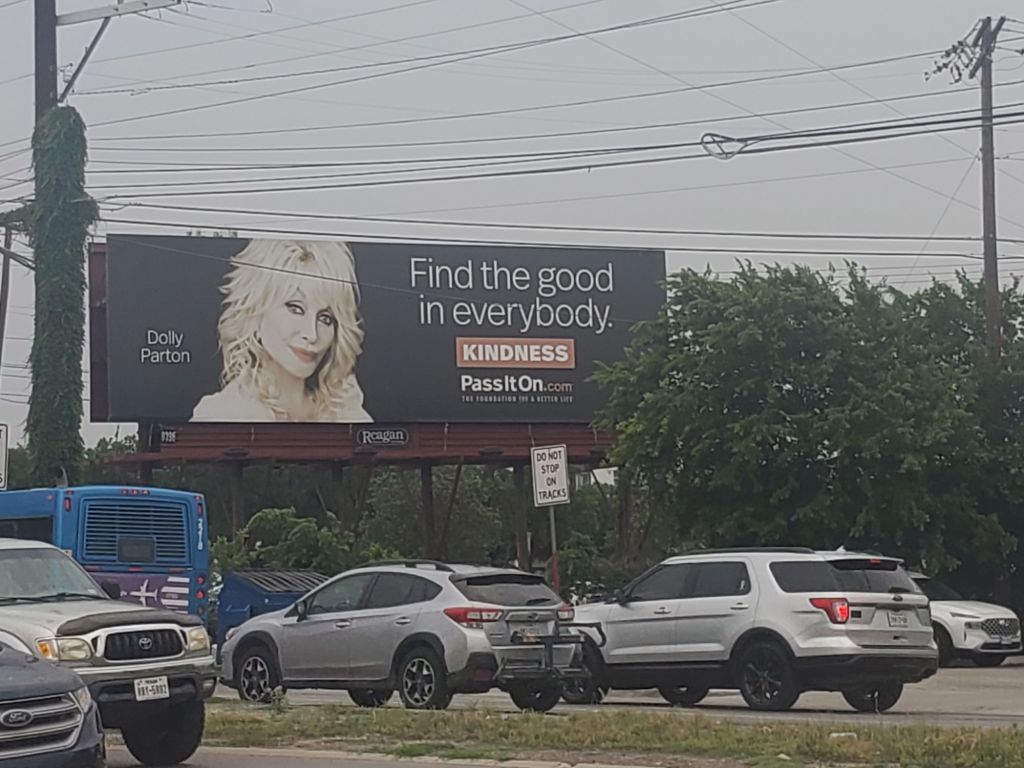
I will start off by saying that I have nothing against Dolly Parton, who is respected by many outside the country music world. However, the advice provided on this sign has been the reasoning that so many people follow those who are so destructive, until there is nothing left when the energy is completely spent. Finding the good in others–especially when those others are causing harm–is a form of self-negation after being targeted by an abuser. By telling people to “find the good in others,” people are being encouraged to internalize unease and overlook red flags in behavior. Instead of “finding the good” in someone who has obvious issues, it is time to start trusting our instincts, and leave those who force ourselves to do mental gymnastics to justify their access to us.
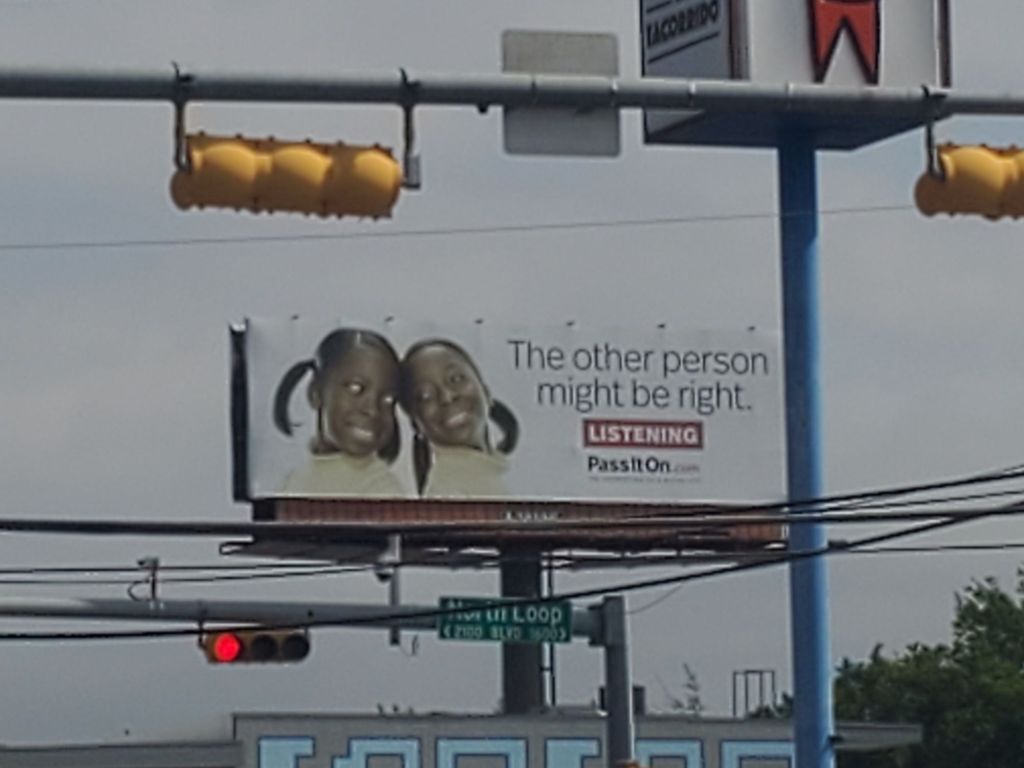
Listening is a very important skill, and more people should listen to others because active listening can reduce communication mishaps. That being said, there is too much of an impetus to listen to others whose mindsets cause harm to everyone, including themselves. For example, people love talking about how public bureaucracy is a pain, which is why there has been such a strong push in privatization in the past few decades. Not nearly enough people talk about how difficult it is to access the leaders of private entities, who are largely responsible for decisions that have wreaked havoc on the entire planet. None of those people are actively listening to anyone, but everyone is expected to listen to them, even when they are wrong. Listening to the wrong people causes problems for everyone because not every mindset is worth engaging.
Finally, “manners” are more than a behavior pattern that leads to trust; they have become a shield against accountability. The tropes of the “nice guy” or the “girl next door” have allowed some truly horrific behavior to go unnoticed for far too long. Just because some behaviors have been classified as “nice” by the dominant narrative does not mean that people should refuse to look at any other parts of the behavior that are problematic. Anyone can take an etiquette class. I have, and I find that the people without pretension waste a lot less of my time, energy, and resources than those who hide their predatory natures behind “manners” and being nice.
There are so many people and cultures in the world that there will never be a universally agreed upon set of behaviors that will indicate positivity. What can we all do? We can pay attention to whether words match actions, whether people are consistent in front of others and on their own, and not seek mass approval when we can be content with smaller circles. Niceness only benefits the dominant narrative, and constraining one’s behavior based on artificial rules leads to turmoil after enough repression.

